Blog

  • Navigating UK Business Visas: Your Ultimate Guide for Expats Looking to Thrive

    Navigating UK Business Visas: Your Ultimate Guide for Expats Looking to Thrive

    Dreaming of launching your next big venture or expanding your existing business in the United Kingdom? You’re in good company! The UK remains a global hotspot for innovation, offering a dynamic environment for entrepreneurs and businesses alike. But before you pack your bags and set up shop, understanding the immigration landscape is crucial. This comprehensive guide will walk you through Navigating UK Business Visas: A Comprehensive Guide for Expats Looking to Thrive, making your journey to the UK as smooth as possible. We’ll cover everything you need to know to establish your business presence and flourish in this vibrant economy.

    Why Choose the UK for Your Business Venture?

    The UK isn’t just a picturesque destination; it’s a powerhouse for business growth and innovation. Many expats are drawn to its unique advantages.

    A Thriving Economy

    The UK boasts one of the largest and most stable economies in the world. It’s a hub for finance, technology, creative industries, and more, offering unparalleled opportunities for various business sectors. Its pro-business policies and strong legal framework make it an attractive destination for foreign investment and talent.

    Global Connectivity

    With excellent transport links, a convenient time zone, and a diverse, skilled workforce, the UK acts as a gateway to global markets. This connectivity is invaluable for businesses aiming for international reach.

    A vibrant, bustling panoramic view of the London financial district (City of London) at sunset, with modern skyscrapers illuminated and a diverse group of business professionals walking on the street below, appearing dynamic and full of opportunity. Photorealistic, high-resolution.

    Understanding the Main UK Business Visa Routes

    For expats looking to establish a business in the UK, several visa categories are available. The routes are designed to attract innovative entrepreneurs and skilled workers who can contribute significantly to the UK economy. It’s important to identify which one aligns best with your business goals and personal circumstances.

    Innovator Founder Visa

    This visa category is for experienced businesspeople seeking to set up an innovative, viable, and scalable business in the UK. It requires an endorsement from an approved endorsing body, confirming your business idea is new, innovative, and has high growth potential. You can no longer apply for the old Innovator or Start-up visas as of July 13, 2023, making the Innovator Founder Visa the primary route for new entrepreneurs.

    Key Requirements:

    • Your business idea must be endorsed by an approved body.
    • You must be at least 18 years old.
    • You need to meet the English language requirement.
    • You must have sufficient personal funds to support yourself without relying on public funds.

    Scale-up Visa

    The Scale-up Visa is for talented individuals recruited by a fast-growing UK business (a ‘scale-up’ business). This route is less about starting your own company and more about joining an existing successful one that qualifies under specific growth metrics.

    Key Requirements:

    • You must have a job offer from an eligible UK scale-up business.
    • The job must be skilled to an appropriate level.
    • You must meet the minimum salary requirement.
    • You need to meet the English language requirement.

    Global Business Mobility Visas

    This umbrella category includes several visa routes designed for overseas businesses transferring staff to the UK or establishing a presence here. These are not typically for individual entrepreneurs starting a new business from scratch but rather for established companies or their employees.

    • Senior or Specialist Worker Visa: For senior managers or specialist employees being assigned to a UK branch of an overseas company.
    • UK Expansion Worker Visa: For senior managers or specialist employees coming to the UK to establish a UK branch or subsidiary of an overseas business.

    Key Requirements and the Application Process

    No matter which UK business visa you apply for, certain general requirements and steps are common across the board.

    Essential Documents

    Prepare to gather a comprehensive set of documents, which typically includes:

    • Your passport or other valid travel identification.
    • Bank statements showing you have sufficient funds.
    • Proof of your business idea’s endorsement (for Innovator Founder).
    • Your Certificate of Sponsorship (for Scale-up and Global Business Mobility).
    • Evidence of your English language proficiency.
    • Criminal record certificate from any country you’ve lived in for 12 months or more over the last 10 years.

    The Application Journey

    Most applications are made online, followed by an appointment at a visa application centre to provide your fingerprints and a photograph (biometrics). The processing times can vary, so it’s always wise to apply well in advance of your intended travel date.

    Financial Requirements

    You’ll need to prove you have enough money to support yourself in the UK. The specific amount can vary by visa type, but it’s essential to demonstrate you won’t rely on public funds. This often involves showing a certain amount in your bank account for a specific period.

    Tips for a Smooth Visa Application

    Navigating UK Business Visas can feel complex, but with the right approach, it doesn’t have to be daunting.

    • Seek Expert Advice: Consider consulting an immigration lawyer or specialist. They can provide tailored advice and help you navigate the intricacies of your specific situation.
    • Gather Documents Early: Start collecting all necessary documents as soon as possible. Missing paperwork is a common cause of delays.
    • Understand English Language Requirements: Most business visa routes require you to prove your English language ability. This is usually done through an approved test or by having an academic qualification taught in English.

    A diverse group of business professionals, including a female expat in a suit, engaged in a productive meeting in a modern, well-lit UK office. They are smiling and collaborating, with charts and a laptop visible, symbolizing successful business operations and integration. Photorealistic, corporate setting.

    Beyond the Visa: Thriving in the UK Business Landscape

    Once your visa is secured, the real adventure begins! The UK offers a supportive ecosystem for businesses, but integrating effectively is key.

    • Networking is Key: Join business associations, attend industry events, and connect with other entrepreneurs. The UK business community is welcoming and networking can open many doors.
    • Understand UK Business Culture: While generally open, there are nuances to UK business etiquette. Understanding these can help you build stronger relationships and avoid misunderstandings.

    Ready to Thrive?

    Navigating UK Business Visas: A Comprehensive Guide for Expats Looking to Thrive has hopefully shed some light on your path to the UK. While the process requires diligence, the opportunities waiting for you in the UK are immense. With careful planning and the right visa, you could soon be contributing to and benefiting from one of the world’s most dynamic business environments. Good luck with your application, and here’s to your success in the UK!


  • Navigating UK Tax as an Expat: Your Ultimate Guide to Smart Tax Planning Services

    Navigating UK Tax as an Expat: Your Ultimate Guide to Smart Tax Planning Services

    Are you an expat living in the UK, feeling a bit overwhelmed by the complex world of British taxation? You’re not alone! Navigating UK Tax as an Expat can certainly feel like a maze, but with the right knowledge and support, it doesn’t have to be. This guide is designed to help you understand the essentials and discover how Smart Tax Planning Services can make all the difference to your financial peace of mind.Being an expat in the UK brings exciting opportunities, but it also comes with unique tax responsibilities. Understanding your tax obligations from the outset is crucial for avoiding penalties and optimizing your financial situation. Let’s dive in.## Understanding Your UK Tax Residency StatusOne of the first and most critical steps for any expat is determining their tax residency status in the UK. This isn’t just about how long you’ve been here; it involves a set of rules established by HMRC known as the Statutory Residence Test (SRT). Your residency status dictates what you pay tax on in the UK.Generally, if you’re a UK tax resident, you’ll be taxed on your worldwide income and gains. However, if you’re a non-UK resident, you’ll only pay tax on your UK-sourced income and gains. It’s a fundamental distinction that impacts everything else.### Deemed Domicile RulesBeyond residency, the concept of ‘domicile’ is incredibly important for long-term expats, especially concerning Inheritance Tax (IHT) and certain income tax benefits. If you’ve been a UK resident for 15 out of the past 20 tax years, you might be ‘deemed domiciled’ in the UK for tax purposes, even if you don’t consider the UK your permanent home. This can significantly alter your tax liabilities.

    A detailed and photorealistic image of a person sitting at a desk, looking thoughtfully at a laptop screen displaying various financial charts and documents. The background shows a modern, bright office environment, suggesting careful financial planning. The person appears to be an expat, perhaps with subtle hints of cultural diversity. Natural light filters in through a window.

    ## Key Tax Considerations for Expats in the UKOnce you’ve got a handle on your residency and domicile, it’s time to look at the specific taxes that might apply to you.### Income TaxThis is likely the most common tax expats will encounter. It applies to: Employment income: Your salary from a UK employer. Rental income: From properties you own, either in the UK or overseas (if you’re a UK resident). Investment income: Interest from savings, dividends from shares, etc.For non-domiciled individuals, the ‘remittance basis’ can be an attractive option, allowing you to only pay UK tax on foreign income and gains that are brought into (remitted to) the UK. However, claiming the remittance basis can be complex and may involve an annual charge.### Capital Gains Tax (CGT)CGT is levied on profits you make when you sell or ‘dispose of’ assets such as property (not your main home), shares, or other valuable items. Expats need to be particularly aware of CGT rules regarding overseas assets, especially if they become UK tax residents. There are also specific rules for non-residents selling UK property.### Inheritance Tax (IHT)This is a tax on a deceased person’s estate (their property, money, and possessions). Your domicile status plays a huge role here. If you’re UK domiciled (or deemed domiciled), your worldwide estate could be subject to UK IHT. For non-domiciled individuals, generally only UK assets are subject to IHT.## Why Smart Tax Planning Services Are EssentialGiven the intricacies of UK tax laws for expats, attempting to navigate them alone can be daunting, costly, and lead to missed opportunities. This is where Smart Tax Planning Services truly shine. A specialist expat tax advisor can provide tailored advice that considers your unique circumstances, helping you stay compliant and optimize your financial future.### Benefits of Professional Guidance: Compliance Assurance: Ensure you meet all HMRC requirements and avoid penalties. Tax Efficiency: Identify legitimate ways to reduce your tax burden, from claiming appropriate reliefs to utilizing double-taxation agreements. Future Planning: Get advice on pensions, investments, and wealth management tailored for expats. Peace of Mind: Remove the stress of complex tax forms and deadlines, allowing you to focus on enjoying your life in the UK.

    A vibrant, detailed and photorealistic image of a diverse group of people (expats) engaged in a relaxed conversation with a professional tax advisor in a modern, well-lit office. The advisor is pointing to a digital tablet with charts, explaining complex information clearly. The expats are smiling and appear relieved, suggesting successful tax planning. There's a subtle background of London landmarks visible through a window, indicating the UK context.

    ## Choosing the Right Tax Planning ServiceWhen selecting a tax planning service, look for providers with proven experience in expat tax. They should have: Expertise in international tax laws and UK residency rules. A clear understanding of double-taxation treaties. Positive testimonials and a reputation for client-focused service.* Transparent fee structures.Don’t hesitate to ask questions and ensure they understand your specific situation, including your country of origin and future plans.## Your Journey to Stress-Free UK Expat TaxNavigating UK Tax as an Expat doesn’t have to be a source of stress. By understanding the fundamentals and, more importantly, by leveraging the expertise of Smart Tax Planning Services, you can ensure your financial affairs are in excellent order. Take the proactive step today to secure your financial wellbeing in the UK!

  • Your Passport to Success: Establishing Your Business: A Comprehensive Guide to UK Company Formation for Foreign Entrepreneurs

    Your Passport to Success: Establishing Your Business: A Comprehensive Guide to UK Company Formation for Foreign Entrepreneurs

    Introduction: Why the UK?

    Ever dreamt of launching your business in one of the world’s most dynamic and reputable economies? The United Kingdom has long been a beacon for innovators and entrepreneurs alike, offering a stable business environment, access to a vast market, and a straightforward regulatory framework. If you’re a foreign entrepreneur looking to make your mark, understanding Establishing Your Business: A Comprehensive Guide to UK Company Formation for Foreign Entrepreneurs is your first crucial step towards success. The UK welcomes international investment and provides numerous advantages for those looking to expand globally.

    Benefits of UK Company Formation for Foreign Entrepreneurs

    Setting up shop in the UK offers a compelling array of benefits:

    • Global Credibility: A UK-registered company often enjoys enhanced international recognition and trust, making it easier to secure funding or engage with global partners.
    • Favorable Tax Regime: The UK boasts competitive corporate tax rates and a robust network of double taxation treaties.
    • Access to European & Global Markets: Despite Brexit, the UK remains a gateway to European markets and has strong trade ties worldwide.
    • Simple Setup Process: Compared to many other countries, the process for company formation in the UK is remarkably efficient and less bureaucratic.
    • Strong Legal System: The UK’s well-established common law system provides a secure and predictable environment for business operations.
    • Skilled Workforce: Access to a highly educated and diverse talent pool.

    A diverse group of smiling business professionals from various backgrounds shaking hands in a modern, sunlit office lobby in London, with iconic London landmarks subtly blurred in the background, symbolizing global partnership and opportunity.

    Key Requirements for Company Formation

    Before diving into the paperwork, let’s get a handle on the basic requirements:

    • Company Name: It must be unique and not similar to existing registered companies.
    • Registered Office Address: This must be a physical address in the UK. It doesn’t have to be where you actually operate, but it’s where official mail will be sent.
    • At Least One Director: This can be any individual (of any nationality), over 16 years old. There’s no requirement for the director to be a UK resident.
    • Shareholders: At least one shareholder is needed. The director and shareholder can be the same person.
    • Memorandum and Articles of Association: These are legal documents outlining the company’s purpose and how it will be run. Standard templates are usually sufficient.

    Step-by-Step Guide to UK Company Formation

    Navigating the process might seem daunting, but it’s surprisingly streamlined. Here’s how Establishing Your Business: A Comprehensive Guide to UK Company Formation for Foreign Entrepreneurs typically unfolds:

    #### Choosing Your Company Name
    This is your brand’s first impression! Use the Companies House name checker to ensure your desired name is available and doesn’t infringe on existing trademarks. Keep it memorable and reflective of your business.

    #### Appointing Directors and Company Secretary
    You’ll need at least one director. While a company secretary is optional for private limited companies, having one can be beneficial for administrative duties. For foreign entrepreneurs, acting as your own director is common.

    #### Registering Your Office Address
    You’ll need a physical UK address. Many service providers offer “virtual office” services, providing you with a legitimate UK address for registration purposes.

    #### Preparing Your Memorandum and Articles of Association
    These documents define your company’s constitution. The Memorandum states the initial shareholders’ intention to form a company, while the Articles govern the internal management. Standard templates are widely available and often suffice for most businesses.

    #### Submitting Your Application to Companies House
    This is the final registration step. You can do this online directly through Companies House or via a company formation agent. Online applications are usually processed within 24 hours. You’ll need to provide details about your company name, registered office, directors, and shareholders.

    A close-up shot of a hand filling out an online company registration form on a laptop, with a blurred British flag in the background, symbolizing the digital ease of UK company setup.

    Post-Formation Steps

    Once your company is officially registered, don’t stop there!

    • Open a UK Business Bank Account: Essential for managing your company finances.
    • Register for Corporation Tax: You must register with HM Revenue & Customs (HMRC) within three months of starting to trade.
    • Understand Your Legal Obligations: Familiarize yourself with ongoing compliance, such as filing annual accounts and confirmation statements.
    • Consider VAT Registration: If your taxable turnover exceeds the VAT threshold, you’ll need to register.

    Common Misconceptions

    Let’s clear up a few common misunderstandings for foreign entrepreneurs:

    • “I need a UK resident director.” False! You don’t need to be a UK resident or citizen to be a director of a UK company.
    • “The process is complicated and slow.” Not at all! The UK is renowned for its efficient company formation process, often taking less than 24 hours online.
    • “I need to live in the UK to run my company.” Nope! You can manage your UK company remotely from anywhere in the world.

    Getting Professional Help

    While setting up is straightforward, foreign entrepreneurs often benefit from professional guidance. Company formation agents, accountants, and legal advisors can assist with:

    • Checking company name availability and trademark issues.
    • Providing a registered office address.
    • Handling the application process.
    • Offering ongoing accounting and tax advice.
    • Navigating specific visa requirements if you plan to relocate.

    Conclusion

    Establishing Your Business: A Comprehensive Guide to UK Company Formation for Foreign Entrepreneurs is more than just a title – it’s your roadmap to leveraging the vast opportunities the UK market offers. With a clear understanding of the requirements and steps involved, you can confidently set up your venture and begin your journey towards global business success. The UK’s welcoming business environment and efficient processes make it an ideal choice for ambitious international entrepreneurs.

  • Starting Strong: A Guide to UK Legal Requirements for Expat Entrepreneurs

    Starting Strong: A Guide to UK Legal Requirements for Expat Entrepreneurs

    Hey there, aspiring global entrepreneur! Are you dreaming of launching your next big venture in the vibrant UK market? You’re in good company! The UK is a fantastic hub for innovation and business, attracting talent from all corners of the globe. But before you dive headfirst into the exciting world of British enterprise, it’s super important to get a handle on the rules of the game. That’s why we’ve put together this friendly guide, Starting Strong: A Guide to UK Legal Requirements for Expat Entrepreneurs, to help you navigate the essential legal stuff without the headache.

    Getting Your UK Footing: Visa & Immigration Essentials

    First things first, let’s talk about getting permission to actually be an expat entrepreneur in the UK. This is often the biggest hurdle, so getting it right from the start is crucial.

    #### The Entrepreneur Visa Landscape
    The UK offers several visa routes that might be suitable for expat entrepreneurs, depending on your circumstances and business idea:

    • Innovator Founder Visa: This is a direct route for experienced business people looking to set up an innovative, viable, and scalable business in the UK. You’ll need an endorsing body to approve your business plan.
    • Skilled Worker Visa (with conditions): While primarily for those employed by a UK company, it’s worth noting if you initially come to work for a business and then transition to entrepreneurship.
    • Global Talent Visa: For individuals who are leaders or potential leaders in certain fields (science, digital technology, arts, culture). If your entrepreneurial venture falls into these categories, this could be a great option.

    Top Tip: Immigration law can be complex and changes frequently. Always seek professional advice from an immigration lawyer to ensure you’re on the right path.

    Setting Up Shop: Business Structure & Registration

    Once your visa sorted (or in progress!), it’s time to think about the nitty-gritty of your business setup. This is a core part of the UK legal requirements for expat entrepreneurs.

    #### Choosing Your Business Vehicle
    One of your first big decisions will be what kind of legal structure your business will take. Here are the most common:

    • Sole Trader: Simple to set up, but you’re personally responsible for all business debts.
    • Limited Company (Ltd): A separate legal entity from its owners, offering personal liability protection. This is a very popular choice for many startups.
    • Partnership: Where two or more people share ownership and responsibility for a business.

    #### Registering with Companies House
    If you opt for a Limited Company or a Limited Liability Partnership (LLP), you’ll need to register it with Companies House, the UK’s registrar of companies. This involves:

    • Choosing a unique company name.
    • Having a registered office address in the UK.
    • Appointing at least one director (who must be a natural person) and at least one shareholder.
    • Preparing a ‘memorandum of association’ and ‘articles of association’.

    A diverse group of expat entrepreneurs happily collaborating in a modern, sunlit co-working space in London, brainstorming ideas on a whiteboard with various charts and diagrams. Through large windows, a vibrant London city skyline is visible under a clear sky. The scene is photorealistic and full of energy.

    Navigating the Tax Maze: HMRC & Beyond

    Ah, taxes! Not the most exciting part, but absolutely essential for any business, especially for expat entrepreneurs navigating UK legal requirements. You’ll be dealing with HMRC (His Majesty’s Revenue and Customs).

    #### Registering for Self-Assessment or Corporation Tax

    • Self-Assessment: If you operate as a sole trader or partnership, you’ll need to register for Self-Assessment to declare your income and pay income tax and National Insurance contributions.
    • Corporation Tax: Limited companies pay Corporation Tax on their profits. You’ll need to register for this shortly after forming your company.

    #### VAT Registration
    If your business’s VAT-taxable turnover exceeds the current VAT threshold (check HMRC for the latest figure) in a 12-month period, you must register for VAT. You can also register voluntarily if your turnover is below the threshold, which can sometimes be beneficial.

    #### Other Potential Taxes
    Depending on your business, you might also encounter PAYE (Pay As You Earn) if you hire employees, and potentially business rates if you operate from commercial premises.

    Keeping Things Fair: Employment Law & Data Protection

    Thinking of hiring a team? Excellent! But the UK has robust employment laws. And regardless of whether you hire, data protection is paramount.

    #### Hiring in the UK
    When you hire employees, you’ll need to:

    • Provide a written employment contract.
    • Pay at least the National Minimum Wage/Living Wage.
    • Comply with pension auto-enrolment rules.
    • Adhere to laws on working hours, holidays, and discrimination.

    #### GDPR Compliance
    The UK has its own version of the General Data Protection Regulation (GDPR), known as UK GDPR. If your business handles personal data (and almost all do!), you’ll need to:

    • Register with the Information Commissioner’s Office (ICO).
    • Process data lawfully, fairly, and transparently.
    • Protect data from breaches.
    • Have clear privacy policies.

    A close-up shot of a legal document or contract spread open on a rich mahogany desk, with a silver fountain pen resting on it and a classic British tea cup with steam rising gently in the background. The lighting is soft and professional, highlighting the details of the text, giving a sense of serious business and attention to detail. Photorealistic and elegant.

    Beyond the Basics: Essential Legal Considerations

    There are a few more boxes to tick to ensure you’re truly starting strong.

    #### Intellectual Property (IP)
    Protect your brand, inventions, and creative works! Registering trademarks for your brand name and logo, and patents for any unique inventions, is incredibly important for any expat entrepreneur.

    #### Business Insurance
    While not always a strict legal requirement, various types of business insurance (like public liability, professional indemnity, and employers’ liability if you have staff) are absolutely essential to protect your business from unforeseen events.

    #### Banking and Finance
    Don’t forget to set up a dedicated business bank account. Mixing personal and business finances is a big no-no for legal and accounting purposes. Many UK banks offer tailored services for startups and international businesses.

    Wrapping Up Your UK Entrepreneurial Journey (Starting Strong!)

    Navigating the UK legal requirements for expat entrepreneurs might seem like a lot, but with a bit of guidance and the right professional help, you can absolutely do it. The UK offers a fantastic environment for businesses to thrive, and by getting your legal foundations solid, you’ll be well-positioned for success. Don’t hesitate to reach out to legal, accounting, and immigration professionals – they’re your best friends on this exciting journey. Good luck, and happy building!

  • Unlocking UK Investment Opportunities: A Comprehensive Guide for Expats

    Unlocking UK Investment Opportunities: A Comprehensive Guide for Expats

    Are you an expat looking to make smart financial moves? The UK offers a dynamic and stable environment perfect for growing your wealth. This guide will walk you through Unlocking UK Investment Opportunities: A Guide for Expats, helping you navigate the exciting world of British finance with confidence. Whether you’re new to the UK or have been here a while, understanding the local investment landscape is key to securing your financial future. Let’s dive in and explore how you can make your money work harder for you.

    Why Invest in the UK as an Expat?

    The UK remains a top global destination for investors, and for good reason! Its robust economy, diverse market, and strong regulatory framework provide a fertile ground for various investment strategies.

    A Stable and Resilient Economy

    The UK boasts one of the largest and most developed economies in the world. Its economic stability, supported by a strong legal system and transparent financial markets, offers a sense of security that is highly attractive to international investors. Despite global shifts, the UK has consistently demonstrated resilience.

    Diverse Investment Landscape

    From bustling city properties to innovative tech startups, the UK’s investment market is incredibly diverse. This variety means expats have a wealth of options to choose from, allowing for portfolio diversification and aligning investments with personal financial goals and risk appetites.

    Popular Investment Avenues for Expats

    There are numerous ways to invest your capital in the UK. Here are some of the most popular and accessible options for expats:

    1. Property Investment

    Property remains a classic choice for many, and the UK market can be very rewarding. Whether it’s residential buy-to-let, commercial properties, or even property funds, the UK offers various entry points. Major cities like London, Manchester, and Birmingham often see strong rental demand and potential capital appreciation.

    A photorealistic image showing a modern, stylish apartment building in a vibrant UK city, with a diverse group of people casually walking by, perhaps a family looking at a 'for sale' sign. The lighting is bright and inviting, suggesting a good investment.

    2. Stocks and Shares

    Investing in publicly traded companies on the London Stock Exchange (LSE) is a popular option. Expats can open General Investment Accounts or, if eligible, utilise tax-efficient wrappers like Individual Savings Accounts (ISAs) for UK-listed assets. These offer potential for growth through share price increases and dividends.

    3. Investment Funds (ETFs and Mutual Funds)

    For those who prefer a more diversified or professionally managed approach, investment funds are excellent. Exchange Traded Funds (ETFs) and mutual funds pool money from multiple investors to buy a basket of assets, offering instant diversification across sectors, geographies, or asset classes with lower risk than individual stocks.

    4. Peer-to-Peer (P2P) Lending

    P2P lending platforms allow individuals to lend money directly to other individuals or businesses, often earning higher interest rates than traditional savings accounts. While offering attractive returns, it’s important to understand the associated risks, as your capital is generally not protected by the Financial Services Compensation Scheme (FSCS).

    Key Considerations Before Investing

    Before you jump in, it’s crucial to understand some important factors that are particularly relevant to expats.

    Tax Implications

    Understanding UK tax rules, especially regarding your residency and domicile status, is paramount. Expats might benefit from specific tax treatments, such as the ‘non-dom’ status, which can affect how foreign income and gains are taxed. Always seek professional advice to optimise your tax position.

    Seeking Professional Financial Advice

    Navigating the complexities of international finance and UK regulations can be challenging. A qualified financial advisor specialising in expat finances can provide tailored advice, helping you set up a robust investment strategy that aligns with your goals and regulatory requirements. This is a crucial step for Unlocking UK Investment Opportunities: A Guide for Expats effectively.

    Understanding Regulations

    The UK financial market is highly regulated by bodies like the Financial Conduct Authority (FCA). Familiarising yourself with these regulations offers protection and ensures you’re investing with legitimate and compliant entities.

    Getting Started: Your Investment Journey

    Ready to begin your investment journey in the UK? Here’s a quick checklist to get you started:

    • Define Your Goals: What do you want your investments to achieve? Retirement, a house deposit, or wealth growth?
    • Assess Your Risk Tolerance: How much risk are you comfortable taking?
    • Research: Look into different investment options and understand their pros and cons.
    • Seek Advice: Consult a financial advisor to build a personalised strategy.
    • Start Small: You don’t need a huge sum to begin; consistent, smaller investments can grow significantly over time.

    A detailed, realistic image of a financial dashboard on a tablet or laptop screen, displaying various investment graphs, charts, and figures (stocks, bonds, property symbols). A person's hands are subtly visible, holding a pen and taking notes, with a cup of coffee nearby, representing thoughtful financial planning.

    Unlocking UK Investment Opportunities: A Guide for Expats doesn’t have to be daunting. With careful planning, a good understanding of the market, and the right professional advice, you can successfully navigate the UK’s investment landscape and build a brighter financial future. Happy investing!

  • Navigating UK Mortgage Options for Expats: Your Comprehensive Guide to Homeownership

    Navigating UK Mortgage Options for Expats: Your Comprehensive Guide to Homeownership

    Dreaming of owning a piece of the UK? Whether you’re moving for work, family, or simply the love of British culture, securing a mortgage as an expat can seem like a daunting task. But don’t fret! This comprehensive guide is here to simplify Navigating UK Mortgage Options for Expats, helping you understand the landscape and confidently step onto the property ladder.

    Why is Navigating UK Mortgage Options for Expats Different?

    It’s true, applying for a mortgage when you’re not a long-term resident of the UK can come with its own set of hurdles. Lenders often have stricter criteria for international applicants, mainly due to factors like residency status, credit history, and income verification.

    Understanding the Unique Challenges

    • Visa Status: Your visa type and remaining duration can significantly impact lender willingness and the mortgage term. Some visas are more accepted than others.
    • Credit History: Without a long-standing UK credit footprint, lenders might find it harder to assess your reliability. This is often a major hurdle for new arrivals.
    • Income Verification: If your income is in a foreign currency or comes from a foreign employer, lenders will need robust proof and might apply exchange rate buffers.
    • Deposit Requirements: Expats may typically require a larger deposit compared to UK residents, sometimes 20-30% or more, depending on individual circumstances and lender policies.

    A diverse group of expat professionals from different countries happily discussing their new home plans in front of a modern UK city skyline, with a subtle overlay of financial charts, in a photorealistic style.

    Types of UK Mortgages Available for Expats

    Good news! Despite the challenges, there are several mortgage options available when Navigating UK Mortgage Options for Expats. It’s all about finding the right fit for your situation.

    Standard Residential Mortgages

    If you plan to live in the property, a residential mortgage is what you’ll need. Some mainstream lenders offer these to expats, but often with specific criteria regarding residency, minimum income, and deposit size.

    Buy-to-Let Mortgages

    Looking to invest in UK property without living in it yourself? A Buy-to-Let (BTL) mortgage might be for you. These are often more accessible for overseas investors as the mortgage affordability is primarily based on the rental income the property is expected to generate, rather than just your personal income.

    Specialist Expat Mortgages

    Many specialist lenders and brokers focus solely on the expat market. They understand the nuances of international income, foreign credit histories, and diverse visa situations. While their rates might sometimes be slightly higher, their flexibility and expertise can be invaluable.

    Eligibility Criteria and Required Documents

    To ensure a smoother application process, understanding what lenders look for is key when Navigating UK Mortgage Options for Expats.

    Key Eligibility Factors

    • Residency Status: Lenders will scrutinize your visa type and how long you’ve been in the UK (or intend to be).
    • Employment Status: Whether you’re employed or self-employed, and where your employer is based, will influence lender choice. Stable employment history is always preferred.
    • Income Source: Lenders need to be confident in the stability and convertibility of your income. They will assess exchange rate risks if your income is in a foreign currency.

    Essential Documents Checklist

    Gathering these early can save a lot of time:

    • Proof of ID and Address: Passport, national ID, utility bills, bank statements.
    • Proof of Income: Pay slips (typically 3-6 months), employment contracts, tax returns (if self-employed), bank statements showing salary credits.
    • Bank Statements: Usually 3-6 months, showing income, outgoings, and savings.
    • Visa/Residency Permit: Documentation proving your right to live and work in the UK.
    • Credit Report: If you have any UK credit history, providing this can be helpful. For those without, explain your situation.

    The Application Process: Step-by-Step

    Once you’ve done your homework, the application journey for Navigating UK Mortgage Options for Expats typically follows these steps:

    Finding a Specialist Broker

    This is arguably the most crucial step for expats. A broker specializing in expat mortgages will have access to a wider range of lenders (including those not on the high street) and can guide you through the complexities, ensuring you apply to the most suitable lenders.

    Getting a Decision in Principle (DIP)

    Also known as an Agreement in Principle (AIP), this is an initial assessment from a lender to see how much they might be willing to lend you. It’s not a formal offer but is useful when making offers on properties.

    Full Application and Underwriting

    Once you’ve found a property, your broker will submit a full application along with all your supporting documents. The lender’s underwriters will then thoroughly review everything.

    A close-up, photorealistic shot of an expat's hands holding a pen, signing mortgage documents on a polished wooden desk, with a laptop displaying a mortgage comparison website in the background, showing a sense of accomplishment.

    Valuation and Legal Work

    The lender will arrange a valuation of the property to ensure it’s worth the price you’re paying. Simultaneously, your solicitor will handle all the legal aspects of the purchase, including searches and contracts.

    Offer and Completion

    If everything checks out, the lender will issue a formal mortgage offer. Once this is signed, and all legal work is complete, funds are transferred, and you officially become a UK homeowner! Congratulations!

    Tips for a Smooth Expat Mortgage Journey

    • Build a UK Credit History (if applicable): Register on the electoral roll, get a UK bank account, and consider a UK credit card to start building a profile.
    • Save a Larger Deposit: The more you can put down, the less risk lenders perceive, potentially opening up more options and better rates.
    • Consider Exchange Rate Fluctuations: If your income is in a foreign currency, be mindful of currency movements and how they might affect your affordability calculations.
    • Seek Professional Advice: Don’t go it alone! A specialist mortgage broker is your best ally in Navigating UK Mortgage Options for Expats.

    Securing a UK mortgage as an expat doesn’t have to be a headache. With the right knowledge, preparation, and professional guidance, your dream of owning a home in the United Kingdom can absolutely become a reality. Happy house hunting!

  • Navigating Your UK Journey: Finding the Best Immigration Lawyers for Expats Made Easy!

    Navigating Your UK Journey: Finding the Best Immigration Lawyers for Expats Made Easy!

    Moving to the UK as an expat can be incredibly thrilling, but let’s be honest, the immigration process? Not so much. It often feels like navigating a dense fog of paperwork, ever-changing regulations, and tight deadlines. That’s why Navigating Your UK Journey: Finding the Best Immigration Lawyers for Expats Made Easy! isn’t just a catchy phrase – it’s your ultimate guide to simplifying this crucial step. We’re here to help you understand why getting expert legal help is a game-changer and how to find the perfect immigration lawyer to make your UK dream a reality.

    Why You Need a Great Immigration Lawyer on Your Side

    The UK’s immigration system is renowned for its complexity. From various visa types (work, family, study) to applications for indefinite leave to remain and citizenship, each path has specific requirements that can change frequently. A slight error or misunderstanding can lead to frustrating delays, outright rejections, or even serious legal issues.

    A qualified UK immigration lawyer can help you avoid common pitfalls, ensure all documentation is correct, and present your case effectively. They act as your dedicated advocate, providing invaluable peace of mind and significantly increasing your chances of a successful application. Don’t underestimate the comfort of having an expert guide you through the maze.

    A diverse group of expats looking relieved while standing with a professional immigration lawyer in a modern, brightly lit office, holding a successfully approved visa document. The lawyer is smiling reassuringly, and the clients appear happy and at ease.

    Understanding UK Immigration Law: It’s a Moving Target

    UK immigration law isn’t static. Policies and rules are updated regularly, sometimes with little warning, making it incredibly tough for individuals to keep up. An experienced immigration lawyer stays abreast of these changes, ensuring your application meets the latest criteria and you’re not caught off guard by new regulations.

    What to Look For in Your Ideal Immigration Lawyer

    Finding the best immigration lawyers for expats means knowing what qualities truly matter. It’s more than just a quick search; it’s about finding the right fit for your unique situation.

    Experience and Specialization

    Look for lawyers with a proven track record in the specific area of immigration law relevant to your needs. Are you applying for a Skilled Worker visa, a Spouse visa, or perhaps a Global Talent visa? Specialization often means deeper expertise and a higher success rate for your particular case.

    OISC Accreditation or SRA Regulation: Non-Negotiables

    This is crucial. Ensure the lawyer or firm is regulated by the Solicitors Regulation Authority (SRA) if they are solicitors, or accredited by the Office of the Immigration Services Commissioner (OISC) if they are immigration advisors. This guarantees professionalism, adherence to strict ethical standards, and a robust complaints procedure should anything go wrong.

    Communication and Transparency

    A good lawyer communicates clearly, consistently keeping you informed at every stage of your application. They should be transparent about their fees, realistic about timelines, and upfront about any potential challenges. You need someone who can explain complex legal jargon in an understandable way, making you feel heard and understood.

    Client Testimonials and Reputation

    Before committing, check online reviews, testimonials, and don’t hesitate to ask for references. A strong reputation within the expat community and positive feedback are excellent indicators of reliable immigration services. Word-of-mouth and genuine reviews can tell you a lot about a firm’s client care.

    Where to Start Your Search for UK Immigration Services

    Ready to begin your search? Here are some practical steps to get you started:

    • Online Directories: Websites like the Law Society, the OISC register, and specialist immigration law directories are excellent starting points. They allow you to search by location and specialization.
    • Recommendations: Ask fellow expats, community groups, or online forums for their experiences and recommendations. Personal referrals can be incredibly invaluable and trustworthy.
    • Initial Consultations: Many reputable firms offer a free initial consultation. Use this opportunity to discuss your case, assess their approach, and get a feel for their communication style. Don’t hesitate to ‘interview’ a few before making your final decision.

    A person sitting at a modern desk, looking intently at a laptop screen displaying a search engine results page for

    Conclusion

    Embarking on your UK journey is a significant step, and having the right UK immigration lawyer can truly make all the difference between a smooth transition and a stressful ordeal. By focusing on experience, accreditation, clear communication, and strong client reviews, you’ll be well on your way to finding the best immigration lawyers for expats to support your move. Don’t let the complexities of immigration deter you; with expert guidance, your path to the UK can be smooth, stress-free, and ultimately, successful!

  • Navigating UK Accounting: Your Essential Guide for Expats Made Simple

    Navigating UK Accounting: Your Essential Guide for Expats Made Simple

    Moving to a new country is exhilarating, but tackling its financial landscape can feel like a whole new adventure. If you’re an expat in the UK, understanding the local tax system is crucial. Don’t worry, Navigating UK Accounting: Your Essential Guide for Expats Made Simple is here to demystify the process and help you settle in without financial headaches. We’ll break down the essentials into easy-to-understand chunks, making your UK accounting for expats journey a breeze.

    First Steps: National Insurance Number (NINo) and Tax Registration

    Before you dive deep into UK accounting, there are a couple of fundamental things you’ll need to sort out. The National Insurance Number (NINo) is your personal account number for the UK social security system. Think of it as your unique identifier for contributions to state pensions and benefits. You’ll typically need this if you’re working.

    Getting Your NINo

    • Apply online or by phone through the official UK government website.
    • Be prepared for an identity interview (sometimes conducted remotely).
    • It’s essential for employment, setting up a business, and claiming benefits.

    Once you’re earning, your employer will usually handle your tax deductions through the Pay As You Earn (PAYE) system. However, if you’re self-employed or have other income sources, you might need to register for Self-Assessment directly with HM Revenue & Customs (HMRC).

    Understanding UK Tax Residency

    One of the biggest questions for expats is, ‘Am I considered a UK tax resident?’ This isn’t always straightforward, but it’s vital as it determines what income is taxable in the UK. Generally, if you spend 183 days or more in the UK in a tax year, you’re a resident. However, there are more nuanced rules.

    The Statutory Residence Test (SRT)

    • This test considers factors like the number of days spent in the UK, family ties, work ties, and availability of accommodation.
    • It’s a complex area, and professional advice can be invaluable here to ensure you’re on the right side of HMRC.

    A diverse group of smiling expats from different countries sitting around a table in a modern, sunlit London apartment, looking at a laptop and discussing financial documents with ease and clarity. The scene should convey a sense of community and relaxed understanding.

    Key Taxes Expats Need to Know About

    The UK tax system involves various taxes. Here are the main ones you’ll likely encounter:

    • Income Tax: Levied on your earnings from employment, self-employment, pensions, and rental income. The rates are progressive, meaning you pay a higher percentage on higher earnings.
    • National Insurance Contributions (NICs): These contributions build your entitlement to certain state benefits, like the State Pension. Both employees and employers (and self-employed individuals) pay NICs.
    • Capital Gains Tax (CGT): Applies when you make a profit from selling an asset, such as a second property or shares (with some exemptions and allowances).
    • Inheritance Tax (IHT): A tax on the estate of someone who has died, though various exemptions and reliefs apply, particularly for spouses and civil partners.
    • Council Tax: A local tax paid to your local council for services like waste collection, policing, and schools. This is a property-based tax, usually paid by the residents of a property.

    Self-Assessment: When and Why You Might Need It

    While many employees have their taxes handled automatically via PAYE, many expats find themselves needing to file a Self-Assessment tax return. You’ll need to do this if you:

    • Are self-employed as a sole trader or in a partnership.
    • Receive rental income from UK properties.
    • Have significant untaxed income from other sources (e.g., overseas income not taxed at source).
    • Are a director of a company (unless you’re a non-salaried director of a non-profit organisation).
    • Have received certain benefits or made capital gains.

    The deadline for online Self-Assessment returns is typically January 31st following the end of the tax year (which runs from April 6th to April 5th).

    Don’t Go It Alone: Seeking Professional Expat Accounting Help

    While this guide offers a solid foundation for Navigating UK Accounting: Your Essential Guide for Expats Made Simple, the UK tax system can be intricate, especially with international elements. Engaging a qualified accountant who specialises in expat taxes can save you time, stress, and potentially money.

    • They can help determine your tax residency status accurately.
    • Advise on tax-efficient strategies tailored to your unique circumstances.
    • Ensure you claim all eligible allowances, reliefs, and deductions.
    • Handle your Self-Assessment return accurately and on time, avoiding penalties.

    A friendly, professional UK accountant sitting at a clean desk with a laptop and paper documents, confidently explaining a financial chart to an expat client who is nodding in understanding. The office environment is modern and reassuring.

    Conclusion

    Understanding UK accounting as an expat doesn’t have to be daunting. By grasping the basics of NINo, tax residency, key taxes, and when to file Self-Assessment, you’re well on your way to financial peace of mind. Remember, professional help is always available to make your journey smoother. Welcome to the UK – enjoy your stay!

  • Navigating Healthcare: Your Ultimate Guide to Expat Health Insurance Plans in the UK

    Navigating Healthcare: Your Ultimate Guide to Expat Health Insurance Plans in the UK

    Moving to a new country is an exciting adventure, but it also comes with its fair share of practical considerations. One of the biggest, and often most overlooked, aspects for expats is Navigating Healthcare: Your Ultimate Guide to Expat Health Insurance Plans in the UK. Understanding how healthcare works and securing the right coverage is crucial for peace of mind and well-being. This guide will walk you through everything you need to know about expat health insurance in the UK, ensuring you’re prepared for whatever comes your way.

    Understanding Healthcare in the UK: NHS vs. Private

    The UK boasts a comprehensive healthcare system, but it’s essential to grasp its two main pillars: the National Health Service (NHS) and private healthcare.

    The National Health Service (NHS)

    The NHS is the publicly funded healthcare system, providing free universal healthcare to all legal residents. This includes emergency care, GP appointments, and hospital treatments. While it’s a fantastic service, it often comes with longer waiting times for specialist appointments and non-emergency procedures. As an expat, your access to the NHS is generally tied to your visa status and payment of the Immigration Health Surcharge (IHS).

    The Benefits of Private Expat Health Insurance

    While the NHS covers many needs, private expat health insurance offers significant advantages. It provides faster access to consultations and treatments, greater choice of doctors and hospitals, and often more comfortable facilities. For many expats, private health insurance in the UK isn’t just a luxury; it’s a strategic choice to ensure timely, comprehensive care without the typical NHS waiting lists.

    Why Expat Health Insurance is a Must-Have in the UK

    When considering healthcare in the UK, many expats find that private insurance complements their NHS access perfectly. Here’s why it’s so important:

    • Reduced Waiting Times: Get quicker appointments for specialists and non-emergency surgeries.
    • Choice and Flexibility: Select your preferred consultant and hospital, offering a more personalized experience.
    • Access to Specific Treatments: Some plans cover treatments or medications not always readily available on the NHS.
    • Enhanced Comfort: Enjoy private rooms and better amenities during hospital stays.
    • Comprehensive Coverage: Many plans offer global coverage or coverage for repatriation, which is vital for expats.

    Key Factors When Choosing Your Expat Health Insurance Plan

    Choosing the right expat health insurance plan can seem daunting, but focusing on these key factors will help you make an informed decision.

    Coverage Options

    Consider what you need covered. Do you require inpatient-only coverage (hospital stays) or comprehensive outpatient care (GP visits, specialist consultations)? Other options include dental, optical, and maternity coverage, which can be essential depending on your personal circumstances.

    Geographical Coverage

    Are you only looking for coverage within the UK, or do you need worldwide coverage, perhaps excluding your home country or the USA? This is especially important for expats who travel frequently.

    Deductibles and Excesses

    A deductible (or excess) is the amount you pay towards a claim before your insurer starts paying. A higher deductible usually means lower premiums, but be sure it’s an amount you’re comfortable paying out-of-pocket.

    Policy Limits and Exclusions

    Always check the maximum annual limits for different types of treatment and any specific exclusions (e.g., pre-existing conditions, specific high-risk activities). Understanding these will prevent nasty surprises later on.

    How to Compare Expat Health Insurance Plans Effectively

    Don’t just pick the first plan you see! Comparing options thoroughly is key to finding the best value and coverage for your needs in the UK.

    1. Get Multiple Quotes: Use comparison websites or brokers specializing in expat insurance to get quotes from various providers.
    2. Read Reviews: Look at what other expats say about different insurance companies and their claims processes.
    3. Understand the Fine Print: Pay close attention to policy documents, terms, and conditions.
    4. Assess Your Needs: Think about your age, health status, family situation, and lifestyle. Do you need regular physiotherapy? Are you planning to start a family?

    A diverse group of smiling expats in a modern, well-lit UK city setting, looking confident and healthy, symbolizing successful navigation of healthcare and feeling secure with their insurance choices.

    Making the Move: Getting Your Plan Sorted

    Once you’ve done your research and chosen a plan, the application process is usually straightforward. Most providers offer online applications, and you’ll typically need to provide personal details, medical history, and proof of residence. Remember, getting your expat health insurance sorted before you arrive in the UK can significantly ease your transition and provide immediate peace of mind.

    Navigating Healthcare: Your Ultimate Guide to Expat Health Insurance Plans in the UK is all about empowering you with choices. While the NHS is a fantastic resource, having a robust expat health insurance plan ensures you receive timely and comprehensive medical care, allowing you to focus on enjoying your life in the UK without health worries.

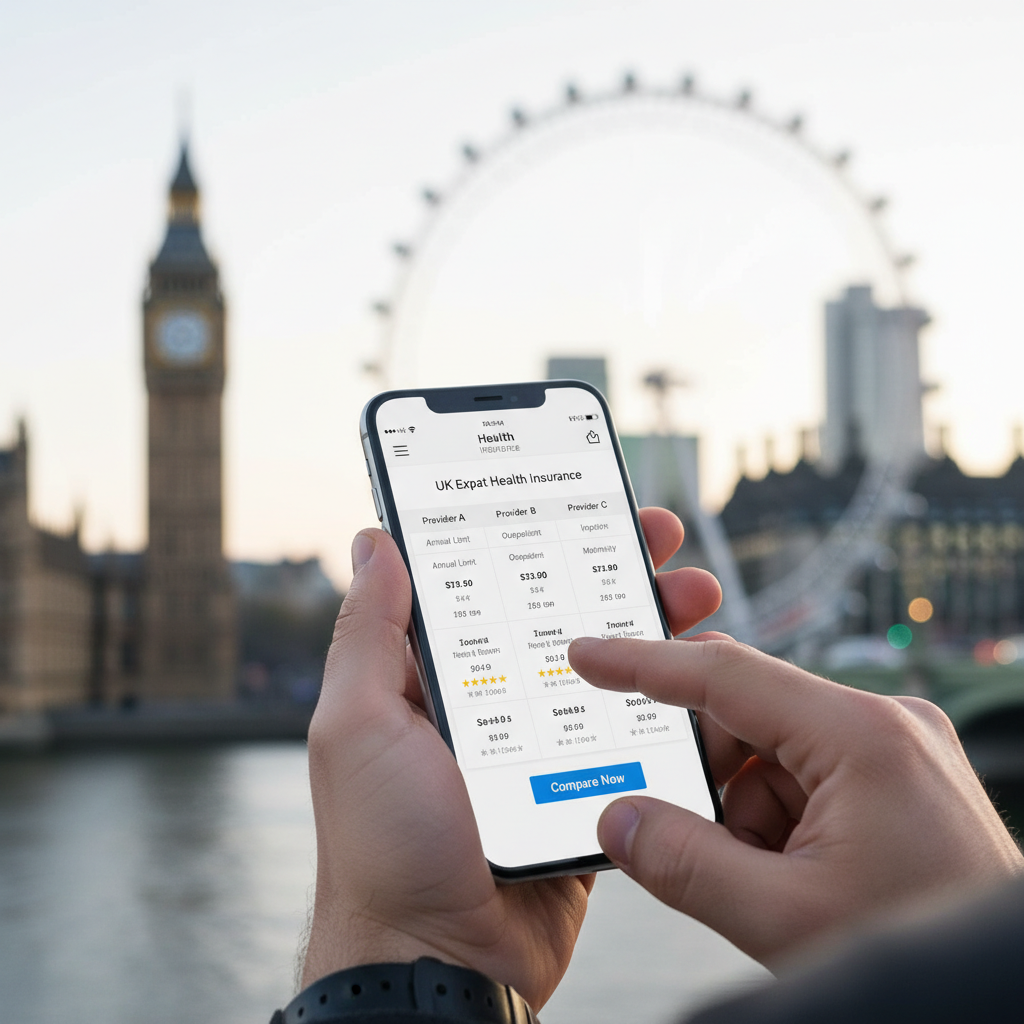
    A close-up of hands holding a smartphone, comparing different health insurance plans on the screen, with a blurry background of iconic London landmarks like Big Ben and the London Eye, emphasizing ease of digital comparison for UK expat insurance.

  • Unlocking Opportunities: Your Ultimate Guide to Funding and Grants for Expat Entrepreneurs in the UK

    Unlocking Opportunities: Your Ultimate Guide to Funding and Grants for Expat Entrepreneurs in the UK

    Hey there, aspiring expat entrepreneur in the UK! Dreaming of starting your own venture but feeling a bit overwhelmed by the funding landscape? You’re not alone. Many international founders face unique challenges when it comes to securing capital in a new country. But don’t fret! This article is truly Unlocking Opportunities: Your Ultimate Guide to Funding and Grants for Expat Entrepreneurs in the UK, designed to help you navigate the ins and outs of financial support available.

    Understanding the Funding Landscape for Expat Entrepreneurs

    The UK is a vibrant hub for innovation and entrepreneurship, and that extends to expats too. While the journey might seem daunting, there are numerous avenues for funding your big idea.

    #### Why Funding is Crucial

    Starting a business, especially in a new country, requires capital. Whether it’s for initial setup costs, marketing, product development, or just keeping the lights on in the early days, securing the right funding can be the make-or-break factor for your startup. For expat entrepreneurs, understanding local funding mechanisms is absolutely vital.

    #### Types of Funding Available

    Broadly speaking, funding can come in various forms:

    • Grants: Money you don’t have to pay back (hooray!). These are often project-specific or for businesses in certain sectors.
    • Equity Funding: Selling a share of your company to investors in exchange for capital.
    • Debt Funding: Loans that you’ll need to repay, usually with interest.
    • Alternative Funding: Think crowdfunding, incubators, or even bootstrapping.

    Navigating UK Grants: Where to Look

    Grants are often the holy grail for startups, especially for expats who might be building credit history or establishing networks. Let’s dive into some key places to find them.

    #### Government Grants and Programs

    The UK government, both national and local, offers a range of grants to stimulate economic growth and innovation.

    • Innovate UK: A major source of funding for businesses looking to develop innovative products, processes, or services. They often have specific calls for projects in various sectors.
    • Local Council Grants: Check with your local council’s business support department. Many offer smaller grants or business support schemes tailored to local enterprises.
    • Growth Hubs: These are local public/private sector partnerships that provide business support, including signposting to funding opportunities. They operate across England.

    A diverse group of expat entrepreneurs happily collaborating in a modern co-working space in London, with a bright, airy atmosphere and visible branding related to startup grants and funding programs. Photorealistic, high detail.

    #### Regional Support

    The UK has devolved administrations (Scotland, Wales, Northern Ireland), each with its own support schemes. Don’t forget to look into these if your business is based outside of England.

    • Scottish Enterprise: Supports businesses in Scotland with grants and investment.
    • Business Wales: Offers advice and funding opportunities for Welsh businesses.
    • Invest Northern Ireland: The regional economic development agency, providing financial assistance.

    #### Sector-Specific Grants

    Certain industries, especially those aligned with government priorities like green technology, digital innovation, or life sciences, often have dedicated grants. Research organizations and industry bodies in your sector for specific calls.

    Beyond Grants: Other Funding Avenues

    While grants are fantastic, they aren’t the only game in town. Consider these other options as part of your comprehensive funding strategy.

    #### Startup Loans

    Managed by the British Business Bank, these are personal loans for business purposes, with government backing. They often come with a lower interest rate and free business support, making them very attractive for new ventures, including those led by expat entrepreneurs.

    #### Crowdfunding

    Platforms like Kickstarter, Crowdcube, and Seedrs allow you to raise capital from a large number of individuals. This can be a great way to not only secure funds but also to validate your idea and build a community around your brand.

    #### Business Accelerators and Incubators

    These programs offer mentorship, resources, and often a small amount of seed funding in exchange for equity. They can be invaluable for expat entrepreneurs looking to build networks and gain expertise in the UK market. Many have specific programs tailored for diverse founders.

    Tips for a Successful Funding Application

    No matter what type of funding you’re pursuing, preparation is key.

    #### Crafting a Solid Business Plan

    This is your foundational document. It needs to clearly articulate your business idea, market analysis, financial projections, and team. Investors and grant providers will scrutinize this, so make it comprehensive and compelling.

    #### Understanding Eligibility Criteria

    Every grant or funding program has specific requirements. Read them carefully! Don’t waste time applying for something you’re not eligible for. Pay close attention to things like business age, sector, location, and the background of the founders.

    #### Networking is Key

    Attend industry events, join expat entrepreneur groups, and connect with local business advisors. Often, the best opportunities come through referrals and established relationships. Building a strong network can open doors to funding and mentorship that you might not find otherwise.

    A confident expat entrepreneur shaking hands with a UK government grant officer in a professional, modern office setting, symbolizing successful grant acquisition. The setting is bright and encouraging, with documents and a laptop visible on a table. Photorealistic, high detail.

    Conclusion

    Unlocking Opportunities: Your Ultimate Guide to Funding and Grants for Expat Entrepreneurs in the UK is all about empowering you to turn your entrepreneurial dreams into reality. The UK offers a wealth of resources and support for founders, including expats. By understanding the different funding avenues, meticulously preparing your applications, and building a strong network, you’ll significantly increase your chances of securing the capital needed to thrive. Go forth and conquer, you’ve got this!